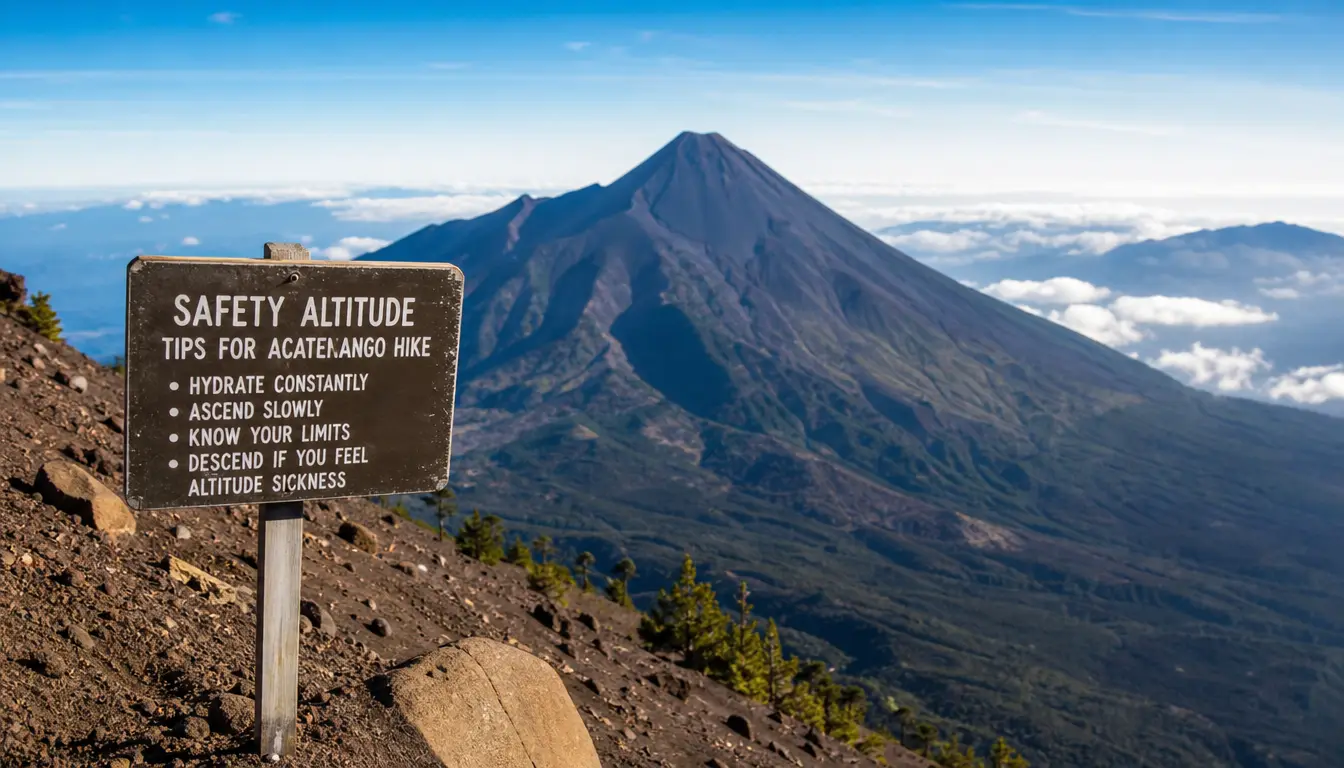
Safety Altitude Tips for Acatenango Hike
Before booking a shuttle out of Antigua, almost every traveler asks the same blunt question: is acatenango safe? Standing on a ridgeline at nearly 4,000 meters while an active volcano hurls molten rock into the night sky sounds insane on paper. People do it every single week, but treating this mountain like an afternoon stroll in the park gets folks into trouble fast.
The climb is tough, steep, and cold. If you take the mountain seriously, pack warm layers, and respect the elevation, you will likely have one of the best adventures of your life. If you ignore the signs your body gives you or go with an unregulated outfit, things can turn sour quickly. Let us walk through the real hazards, the altitude curve, and how to keep yourself out of danger from the trailhead to the summit crater.
Book your acatenango volcano hike experience:
Understanding the Real Hazards: Is Acatenango Safe?
People worry about Volcán de Fuego blowing them off the ridge. That is the spectacle everyone comes to see. Fuego sits right across an amphitheater valley, violently venting steam and throwing lava bombs every twenty or thirty minutes. It looks terrifying. Fuego is actually monitored constantly by vulcanologists in Guatemala, and the typical base camp on Acatenango sits outside the primary blast zone of routine eruptions. The real dangers on this mountain are far more boring. They are cold weather, steep scree, and thin mountain air.
Every now and then a traveler writes on a forum asking "could I die?" or typing frantic Spanish queries like puedo morir? into Google before paying their tour deposit. Fatalities on Acatenango are rare, but they have happened. Back in early 2017, a sudden freak storm dropped temperatures well below freezing, and several hikers without adequate cold-weather gear succumbed to hypothermia. That tragedy changed how local authorities monitor the mountain. It showed everyone that raw exposure to the elements, not erupting lava, is the actual threat up here.
Note: Bad weather can blow in within twenty minutes on this ridge. If your guide tells you to turn around or skip the sunrise summit push due to high winds, listen to them without arguing.
Slip-and-fall accidents happen on the descent. Loose volcanic gravel acts like thousands of tiny ball bearings under your hiking boots. You will see people sliding on their rear ends, scraping hands, and twisting ankles. If you take small steps, lean slightly back, and use trekking poles, your knees will survive the grind. For a detailed breakdown of the terrain profile, check our guide on the difficulty, distance, and elevation gain on Acatenango.
Managing Acatenango Altitude and Thin Air
The trail begins around 2,400 meters above sea level and drags you up to 3,976 meters at the true summit. That is a massive jump in a single afternoon. If you arrive in Antigua at 1,500 meters and jump on the trail the next morning, your head will pound. Your lungs will burn after twenty paces. Acatenango altitude sickness is by far the most frequent reason people fail to make camp.
You cannot train away elevation sensitivity in a gym. A marathon runner can get knocked flat by high altitude sickness while a casual walker strolls right past them. It comes down to genetics, hydration, and how long you let your body adjust before climbing. Spend at least two full days chilling in Antigua, sipping coffee, eating street food, and letting your red blood cell count adjust. Rushing straight from sea level to nearly 13,000 feet is asking for trouble.
Look out for the early signs. Mild nausea, a dull headache behind the eyes, and a complete loss of appetite are standard. When those symptoms escalate into severe dizziness, vomiting, or confusion, you need to stop ascending immediately. Descent is the only cure that truly works when acute mountain sickness turns serious.
| Stage on Trail | Elevation | Typical Conditions | Safety Priority |
|---|---|---|---|
| La Soledad Trailhead | 2,400 m (7,874 ft) | Mild, humid, loose dirt | Find a slow hiking cadence |
| Cloud Forest Midway | 3,000 m (9,842 ft) | Cool, misty, damp air | Hydrate and eat small snacks |
| High Alpine Ridge | 3,600 m (11,811 ft) | Cold winds, thin oxygen | Put on windproof outer shell |
| Campground Area | 3,700 m (12,139 ft) | Near freezing at night | Drink warm tea, sleep warm |
| Cumbre Summit | 3,976 m (13,044 ft) | Freezing, high winds, scree | Watch footing on loose gravel |
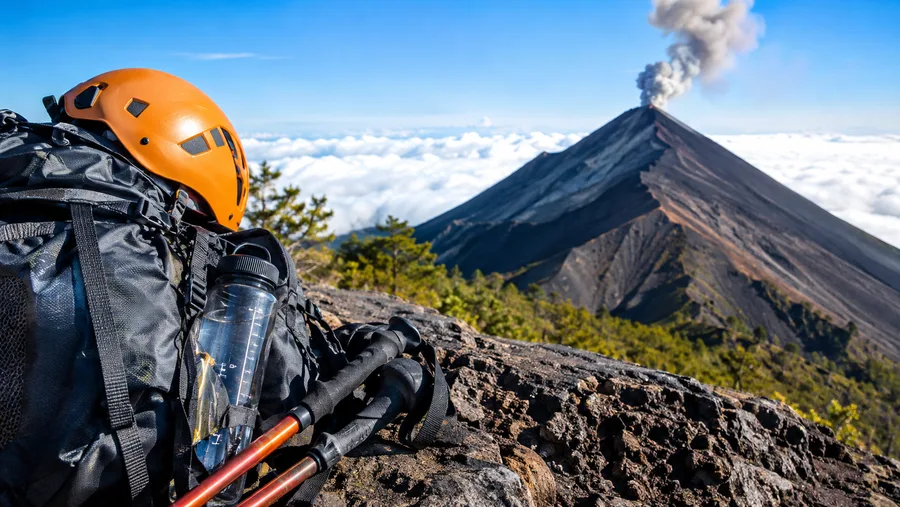
Weather Hazards and Volcano Hiking Safety Tips
Guatemala has a tropical reputation. People pack shorts, tank tops, and light sneakers, forgetting that high altitude creates its own winter weather. By sunset at base camp, temperatures regularly drop to zero degrees Celsius or lower. When a biting wind blows off the Pacific, it cuts right through thin cotton sweaters. Hypothermia does not require snow, it just requires being damp from sweat and exposed to cold winds.
Staying warm requires deliberate packing. Bring thermal underwear, a wool beanie, windproof gloves, and a proper outer shell. Do not hike in your sleeping clothes. Keep your camp base layers sealed inside a dry bag or plastic trash liner inside your pack so they stay bone dry if an afternoon downpour hits the lower forest.
Here are basic rules for staying safe on high volcanoes:
- Pace yourself early: walk at half your normal speed during the first agricultural hour to save your heart rate.
- Pack redundant fluids: bring 4 liters of water minimum, plus electrolyte tablets to replace salts lost through sweating.
- Keep dry layers separate: pack clean socks and thermal shirts inside sealed plastic bags to prevent rain soak.
- Carry a reliable headlamp: do not rely on your smartphone light for midnight bathroom trips or early summit treks.
- Hire walking sticks: rent wooden poles at the trailhead for 5 or 10 quetzales to stabilize your descent.
If you want to avoid basic errors that ruin trips, take a look at our rundown of common mistakes tips for Acatenango volcano hikers before organizing your pack.
Book your acatenango volcano hike experience:
Guide Standards: Is It Safe to Hike Acatenango Volcano Solo or with Budget Crews?
Can you hike Acatenango without a guide? Technically, some locals and experienced mountaineers do it, but park rangers generally forbid solo foreigners from entering without a registered guide. It is a terrible idea anyway. The cloud forest section contains confusing side trails made by farmers, and fog can drop visibility down to three meters within seconds.
Pro tip: Pick an operator that provides a dedicated camp cook and at least one guide for every six hikers so someone can escort you down if altitude hits you hard.
The quality of your tour company directly impacts your personal safety. Bottom of the barrel companies charging tiny fees often skimp on emergency gear, carry no satellite phones, and give their guides flimsy first-aid kits. A good operator maintains sturdy A-frame cabins, provides high-grade winter sleeping bags rated for freezing weather, and trains guides in wilderness first aid. Paying forty dollars extra for a reputable outfit is cheap insurance when you are shivering on an exposed volcano face at midnight.
Ask companies questions before booking. Ask what their protocol is if somebody gets altitude sickness at 3,500 meters. Ask if they have emergency horses on call. If the booking agent looks at you blankly, walk down the cobblestones in Antigua and find another operator.
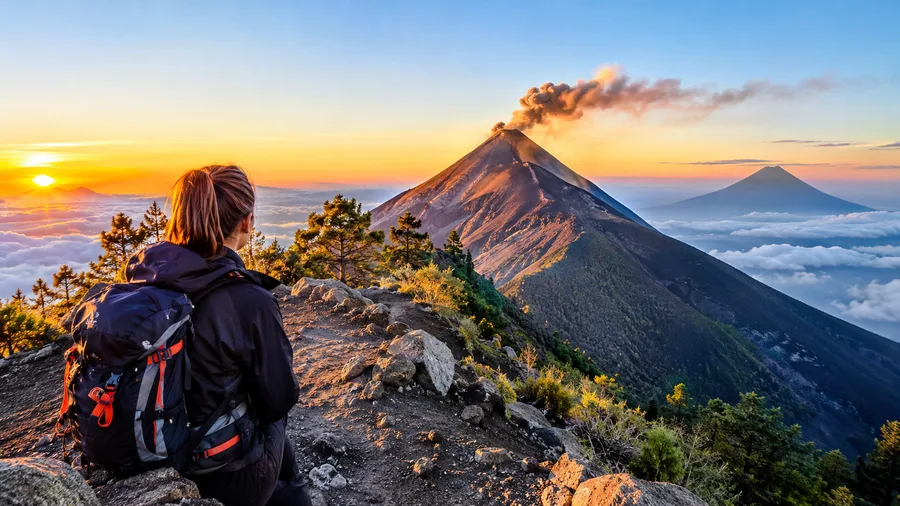
Acatenango Altitude Sickness Symptoms and Prevention
Dealing with the thin air starts days before you step foot on the trail. Alcohol dehydrates you rapidly, which worsens altitude symptoms. Skip the pub crawls around Antigua for at least forty-eight hours before your hike date. Drink water until your urine runs clear, and eat carb-heavy meals to give your muscles glycogen stores for the vertical climb.
Some hikers take Acetazolamide, commonly sold under the brand name Diamox. It forces your kidneys to excrete bicarbonate, which acidifies the blood and tricks your body into breathing faster, taking in more oxygen while you sleep. Honestly, it works well for many people, though it makes your fingers tingle and makes you pee every hour. If you want to use it, consult a travel clinic doctor beforehand.
If you or someone in your group starts feeling unwell on the climb, here is how to handle it:
- Communicate immediately: tell your guide the moment your headache turns sharp or you feel nauseated.
- Take an extended rest: stop for twenty minutes, drink warm electrolytes, and eat a sugary snack.
- Drop your pack weight: hand your heavy gear to a porter or strong friend if your legs begin wobbling.
- Turn back if ataxia appears: if you cannot walk a straight line heel-to-toe, you must descend immediately.
There is zero shame in stopping at base camp and skipping the sunrise climb to the summit. Base camp offers an incredible view of Fuego erupting. The final push to 3,976 meters is on freezing, loose scree, and pushing through severe altitude symptoms just for bragging rights is how people end up needing emergency medical evacuations.
Frequently Asked Questions about is acatenango safe
Can Volcán de Fuego erupt and hit hikers on Acatenango?
Fuego erupts every few minutes, but Acatenango base camps are placed on the northern ridge away from the typical pyroclastic flow channels. While rogue explosive events can blow ash over Acatenango, guides monitor seismic warnings, and the trail closes whenever activity exceeds safe baseline levels.
Are there bandits or robberies on the Acatenango trail?
Years ago robberies occurred on isolated lower sections of the trail. Today, local tourism police, park rangers, and authorized guide groups maintain a constant presence along the route, making violent crime on the standard trail exceptionally rare.
What happens if I get sick and cannot walk down?
Local guides have contacts with horse handlers living in the villages below. If you cannot walk due to injury or altitude exhaustion, an emergency horse can usually be brought up to base camp within a few hours for a fee of roughly 300 to 500 quetzales.
Quick Reference
- Summit elevation: 3,976 meters above sea level
- Acclimatization time needed: 48 hours minimum in Antigua
- Nighttime base camp temperature: -2°C to 4°C
- Recommended water intake: 4 liters per person
Book your acatenango volcano hike experience:
The Bottom Line
Acatenango is an intense, gritty mountain that rewards physical effort with one of the wildest volcanic vistas on Earth. Is it dangerous? Only if you underestimate how cold, steep, and thin the air gets above the tree line. Take two relaxed days in Antigua, hire a reliable crew that carries proper gear, drink plenty of water, and you will stand on that crater rim safely watching lava explode into the dawn sky.
Read more about acatenango volcano hike.