Month by Month Guide to Hiking Acatenango Volcano
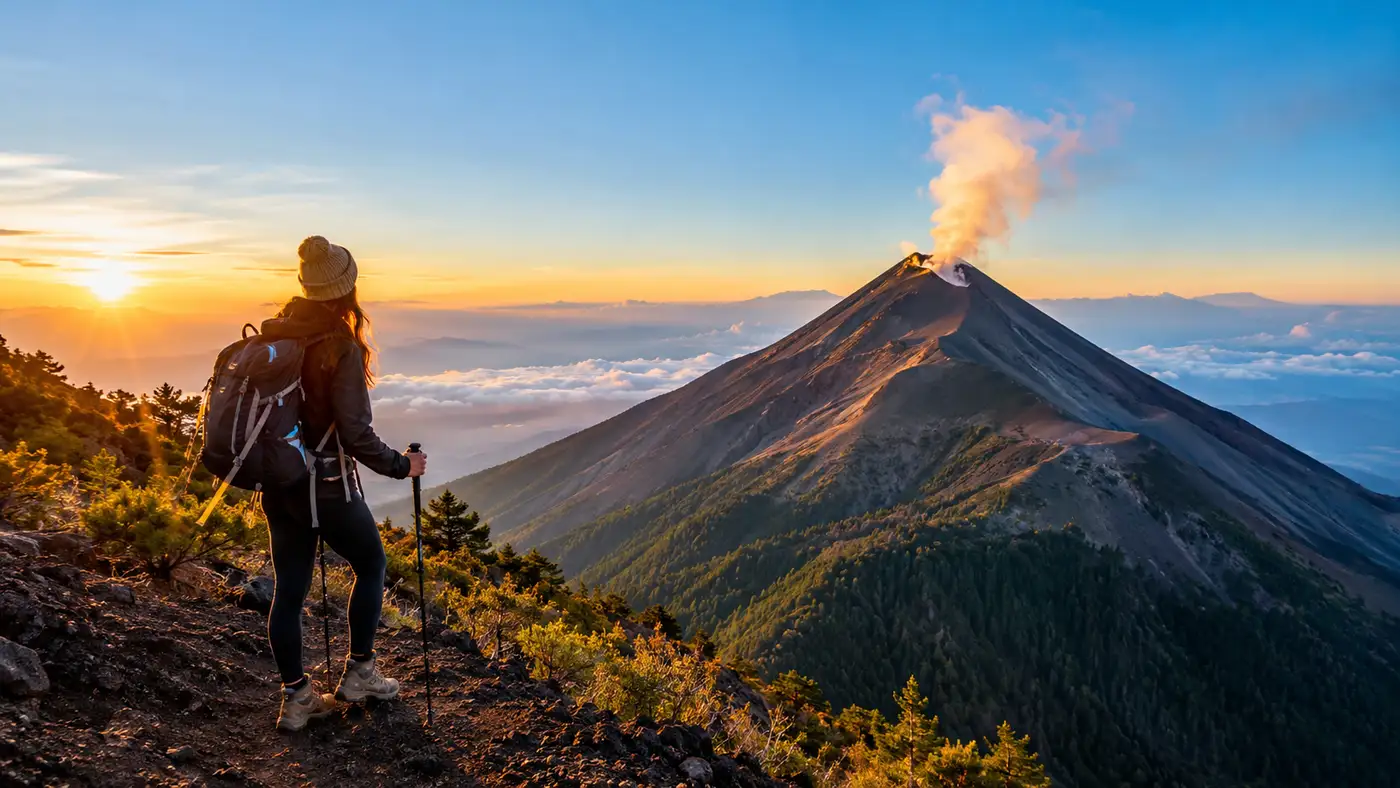
Standing on the saddle of a 3,976-meter volcanic peak at dawn while Fuego violently coughs red magma into the freezing air is something you never quite shake. Most hikers head to Antigua with that single image burned into their minds, yet finding the best time to hike acatenango depends largely on whether you care more about clear blue skies, empty campsites, or dodging torrential downpours. The volcano does not care about your vacation calendar, so timing makes all the difference between sitting by a cozy campfire watching eruptions and shivering inside a drenched canvas tent staring into pure gray fog.
Guatemala splits cleanly into wet and dry periods, but high-altitude volcanic microclimates have their own quirky rules. An afternoon cloud inversion can turn a miserable, drizzly slog through the farmland below into an unbelievable sunset above the cloud deck at base camp. Still, knowing what each specific month brings to the slopes helps you pack the right kit and set realistic expectations before tying your bootlaces.
Book your acatenango volcano hike experience:
The Core Dry Season: December to February
If you want the highest mathematical chance of seeing Fuego explode without clouds blocking your lens, this is when you go. The skies over the central highlands turn a sharp, piercing blue by early morning, and humidity plummets. December brings crisp breezes and lively streets in Antigua, while January and February see steady streams of trekkers grinding up the volcanic dust. Trails are loose, dusty, and well-trodden, making gaiters surprisingly useful if you dislike emptying black gravel from your shoes every hour.
Nighttime temperatures up at base camp dip below freezing routinely during these months. Frost coats the tent canvas by 3:00 AM, and your water bottle inside the vestibule might freeze solid if left directly on the ground. You will need real winter layers. Check out our advice on gear clothing for acatenango volcano hike so you do not freeze during the midnight eruption vigils.
The crowds can feel relentless, though. On a random Saturday in January, you might share the ridge line with 250 other hikers spread across dozens of rustic campsites. Tour groups blast music sometimes, which ruins the wild feel, but the sheer predictability of clear views makes it worthwhile for photographers who only have one shot at this climb.
Pro tip: Book your climb for a Tuesday or Wednesday during these winter months so you avoid the heavy weekend rush of local groups hiking out from Guatemala City.
Warming Days and Hazier Skies: March to May
March retains plenty of the winter dryness, though heat starts building across the lower valleys. The initial farmland section of the trail, where you walk past rows of corn and cabbage, feels like a furnace by 11:00 AM. As you move into April, dust levels peak. Every step on the final scree push kicks up powdery volcanic ash that gets into your eyes and lungs, making a simple bandana or buff essential gear.
May marks the beginning of the annual weather flip. Early May might give you perfectly clear mornings, but afternoon clouds gather earlier each week, often by 1:00 PM. By late May, the first real rainstorms arrive to wash away the winter haze. Honestly, I love May because the dust clears quickly once the ground dampens, and the mountainsides burst back into bright green life almost overnight.
Crowd numbers drop off sharply after Easter week. If you climb in late April or mid-May, you might find only three or four small groups scattered across the eastern flanks, giving the high camp a much quieter, contemplative vibe.
The Wet Season Grind: June to September
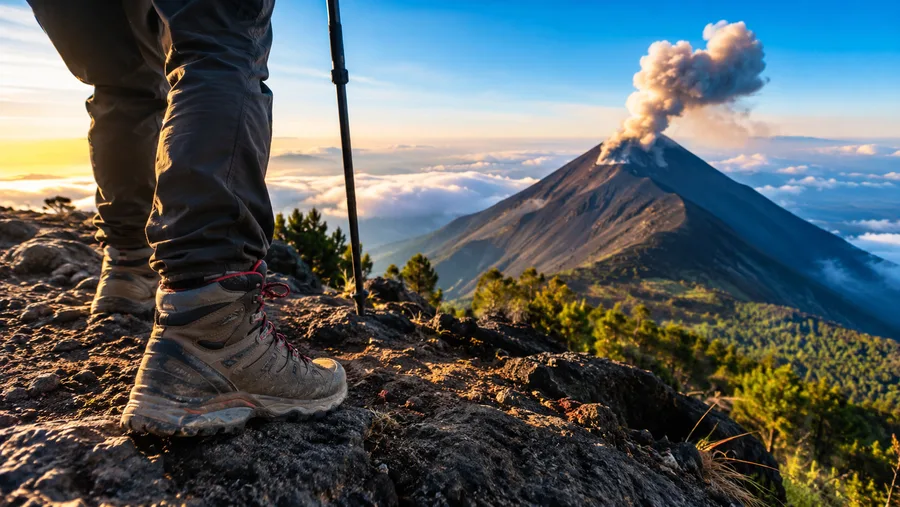
Let us be straight about summer: it rains. A lot. Anyone who tells you that June, July, or August is an ideal time to hike is glossing over the reality of hiking uphill for five hours through relentless cloud forest mud. Yet the wet season is not a total write-off if you understand the diurnal weather cycle in the tropics.
Mornings usually start clear and sunny. You start walking early, get to camp around 1:30 PM, and then the heavens open up for two to four hours of thunder, lightning, and heavy rain. If your guide company has sturdy wooden cabins or well-tarped base camp shelters, you can sit out the storm with a tin cup of hot chocolate. Around 5:30 PM, the storm systems frequently collapse, leaving behind an ocean of clouds beneath your feet that glows neon pink in the sunset. Watching Fuego erupt against an ink-black sky while lightning dances in the valley clouds below is something dry season hikers rarely get to witness.
Note: July occasionally gets a natural two-week dry window known locally as the canícula, offering crisp winter-style views right in the middle of summer.
September is generally the wettest month of the entire calendar year. Landslides on the approach roads become a real possibility, and high-altitude winds can turn base camps into freezing, sodden miseries. Unless your travel dates are completely locked, September is the one month where rescheduling toward later autumn makes the most sense.
Book your acatenango volcano hike experience:
The Autumn Clearing: October and November
October is a chaotic transition month. The first half usually mimics September, with thick mists and slippery descents that test your knees and balance. By late October, the rains begin to stutter and break. You get long patches of calm, cold weather interspersed with trailing storms that drift in from the Pacific coast.
November is arguably the hidden sweet spot for the entire volcano trek. The Pacific wet season shuts down, but the landscape has not dried out into brown dirt yet. Wildflowers bloom across the cloud forest section, the pine needles smell rich and damp, and the air feels exceptionally crisp. It gets quite cold on the summit ridge, sometimes dropping to -3°C with wind chill, but the visibility across toward Lake Atitlan and Agua Volcano is stunning.
Local guides often look forward to late November because tour operations are running smoothly, trails are settled and tacky rather than slick with mud, and the extreme winter crowds have not yet descended for the holiday break.
Monthly Conditions and Hiking Practicalities
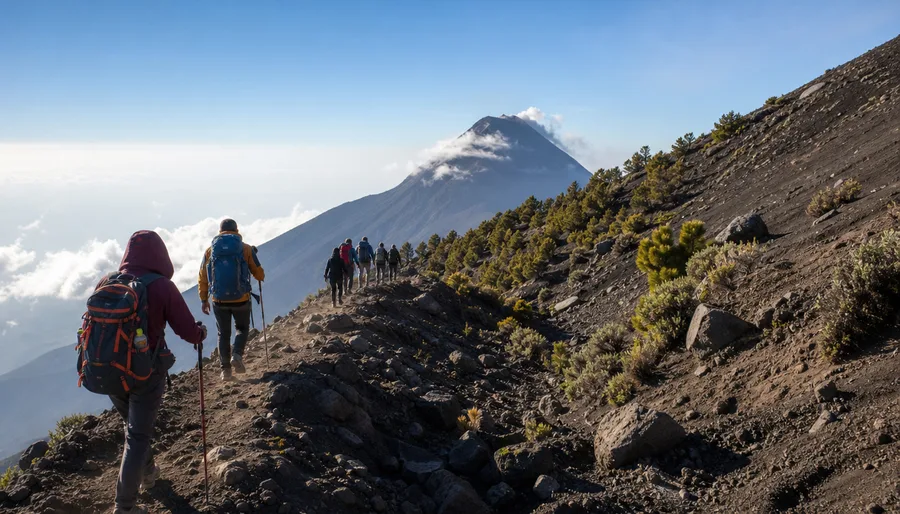
Deciding when to tackle the climb requires balancing cloud cover, trail conditions, and low temperatures. Here is how the year shakes out when you lay it all side by side:
| Month | Base Camp Night Temp | Rain Risk | Trail Condition | Crowd Level |
|---|---|---|---|---|
| January | -2°C to 2°C | Very Low | Deep, loose dust | High |
| February | 0°C to 4°C | Very Low | Loose scree and dust | High |
| March | 2°C to 6°C | Low | Extremely dusty | Moderate |
| April | 4°C to 7°C | Moderate | Dry, warm lower sections | Moderate |
| May | 4°C to 8°C | Moderate to High | Mud starts forming | Low |
| June | 3°C to 7°C | High | Slippery mud in forest | Low |
| July | 3°C to 7°C | Moderate to High | Variable mud | Moderate |
| August | 3°C to 6°C | High | Slippery trails | Low |
| September | 2°C to 6°C | Very High | Deep mud, slick scree | Low |
| October | 1°C to 5°C | Moderate | Gradually drying out | Low |
| November | -1°C to 3°C | Low | Firm, ideal grip | Moderate |
| December | -3°C to 1°C | Very Low | Dry and cold | Very High |
Regardless of what month you book, certain preparation tactics never change. Acclimatizing properly before starting out matters far more than having the fanciest boots. For a deeper look at dealing with the thin mountain air, read our guide on safety altitude tips for acatenango hike before you head out.
Here are several practical rules to remember when choosing your hike window:
- Dry season window: November through April offers the most reliable panoramic photography conditions.
- Wet season perks: June through August features lush green scenery, fewer people, and dramatic afternoon cloud inversions.
- Budget considerations: Tour agencies in Antigua rarely drop prices much in low season, though gear rentals are easier to secure without advance reservations.
- Physical strain: Wet months require far more core strength and foot stability because the mud makes you slide back half a step with every stride.
Packing also shifts depending on which side of the calendar you land on. During the dry months, windbreakers and heavy fleeces are paramount because dry air drops temperature fast once the sun slips behind the horizon. During wet months, dry bags inside your backpack are non-negotiable. Wet sleeping bags at base camp can become a genuine survival issue when the temperature hovers near freezing.
- Dry bag protection: Line your entire rucksack with a heavy trash contractor bag between May and October.
- Spare socks: Pack three pairs of wool socks minimum, keeping one sacred pair purely for sleeping inside the tent.
- Trekking poles: Rent or bring two poles; they save knees on dry loose gravel and keep you upright on slick wet mud.
Frequently Asked Questions about best time to hike acatenango
What is the single best month to hike Acatenango?
January and February offer the clearest skies, while November provides the best combination of clear views, lush green landscapes, and manageable crowds.
Can you hike Acatenango during the rainy season?
Yes, tours operate year-round. You need solid waterproof gear and should expect afternoon downpours, but mornings and late evenings often clear up nicely above the cloud line.
How cold does it get at base camp during the dry season?
Temperatures regularly drop between -3°C and 2°C (26°F to 35°F) between December and February, with brisk summit winds making it feel much colder.
Quick Reference
- Peak clear season: December to February
- Greenest landscape: November and May
- Wettest month: September
- Coldest nights: December and January
Book your acatenango volcano hike experience:
My Take
If I had to pick just one week to go back up, I would aim squarely for the third week of November. You get the crisp, wide-open views of the winter dry season without having to fight forty other people for elbow room at the sunrise summit point. The volcanic flanks are still painted in brilliant mountain greenery from months of rain, and the morning air feels unbelievably fresh. Pack extra warm layers, prepare your legs for the initial 900 meters of vertical incline, and give yourself at least two full rest days in Antigua beforehand so your body actually enjoys the journey.
Read more about acatenango volcano hike.