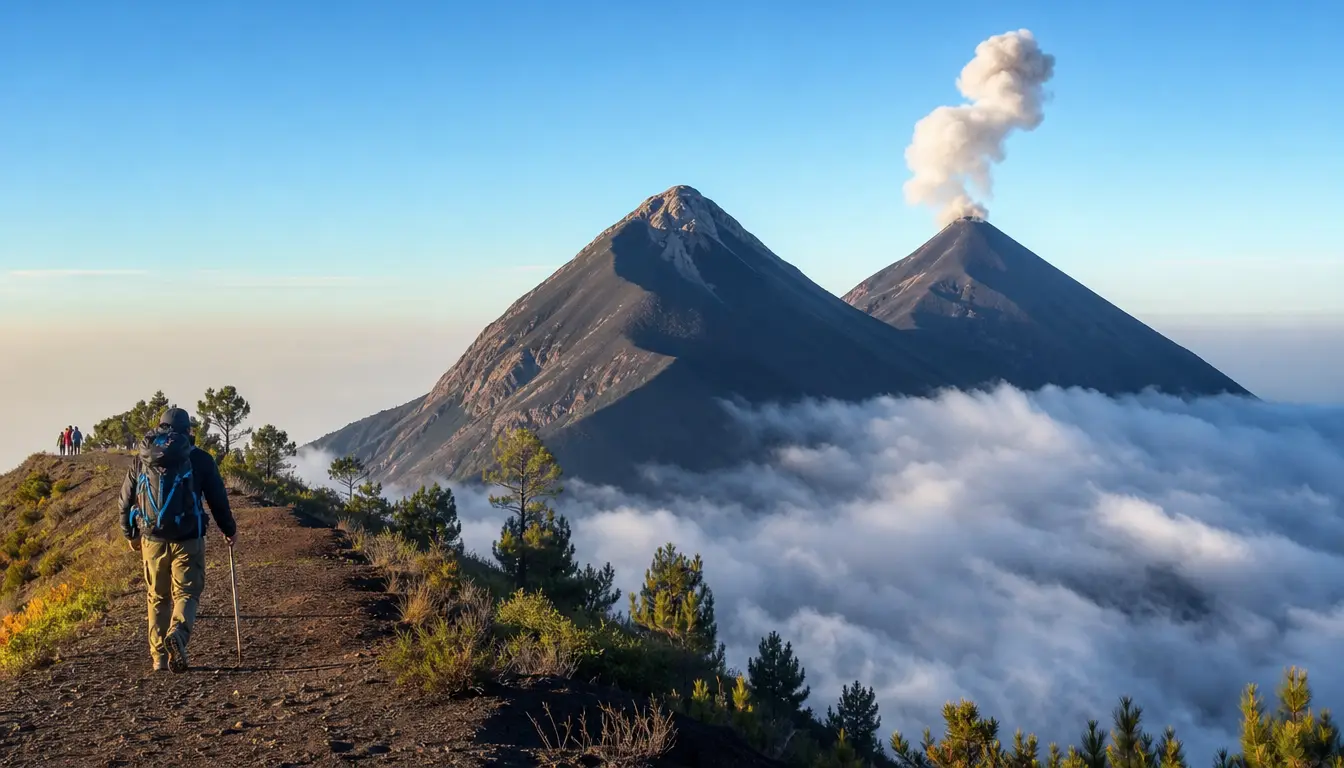
Comparing Acatenango Volcano Hike with Other Volcanoes
Every traveler sitting in a café in Antigua eventually faces the exact same dilemma over black coffee and gallo pinto. You stare at the travel agency boards lining 5ta Avenida and wonder about pacaya vs acatenango, trying to figure out whether you want a gentle afternoon ramble or two days of punishing calf burn. It sounds simple enough until you listen to hostel gossip, where one person calls Pacaya boring while someone else swears Acatenango was the single most exhausting thing they did in Central America.
There is also the wider picture that gets left out of guidebooks. Hikers want to know how these Guatemalan peaks stack up against other bucket-list treks, whether that means walking the Inca Trail in Peru, scrambling up Angels Landing in Utah, or tackling high mountaineering in South America. If you are trying to weigh the steep trail to Acatenango against Volcán Pacaya, Fuego, or other world trails, here is how the terrain, effort, and payoff actually compare.
Book your acatenango volcano hike experience:
Pacaya vs Acatenango: The Core Guatemala Matchup
Comparing these two is a bit like comparing an afternoon walk through a city park to running a half marathon up a flight of stairs. Volcán Pacaya sits roughly an hour south of Antigua. Most tours leave at either 6:00 am or 2:00 pm, drive you to the San Vicente Pacaya park entrance, and have you back in town six hours later. The actual moving time on the trail is rarely more than two hours up and an hour down. You walk through lush pine scrub, emerge onto a moonscape of dried black basalt, roast a couple of marshmallows over a thermal vent, and chat with guys renting horses for 300 quetzales. It is relaxed, social, and accessible to almost anyone who can walk up an incline.
Acatenango asks for a completely different mindset. The trailhead at La Soledad sits at 2,400 meters, and from the first ten steps through the local cornfields, the gradient is brutal. You climb through four distinct climate zones, gain over 1,500 meters of vertical relief on loose volcanic ash, and sleep in freezing temperatures near 3,600 meters. If you push for the true summit at dawn, you top out at 3,976 meters. Pacaya tops out around 2,552 meters. That difference of over 1,400 vertical meters changes everything, from your lung capacity to how many layers you need to pack into a 45-liter rucksack.
The scenery is equally divided. At Pacaya, you are walking across cold lava fields from past eruptions, admiring the smoking cone from a safe, flat plateau. At Acatenango, you are camping directly opposite Volcán de Fuego, which erupts every 15 to 20 minutes with explosive thuds that rattle your ribcage through the tent floor. Pacaya offers convenience; Acatenango gives you high-altitude drama.
| Volcano / Trail | Max Elevation | Elevation Gain | Typical Duration | Difficulty Rating |
|---|---|---|---|---|
| Pacaya | 2,552 m | 400 m | 3 to 4 hours roundtrip | Easy to Moderate |
| Acatenango | 3,976 m | 1,600 m | 2 days (overnight) | Strenuous |
| Fuego (from Acatenango camp) | 3,763 m | 650 m (additional) | 4 to 5 hours extra | Very Strenuous |
| Huayna Potosí (Bolivia) | 6,088 m | 1,400 m (from base) | 2 to 3 days | Technical / Extreme |
| Classic Inca Trail (Peru) | 4,215 m | 1,200 m (highest pass) | 4 days | Moderate to Strenuous |
Pro tip: If you are completely torn between the two and short on time, use Pacaya on day one to check how your lungs respond to Guatemalan inclines, then tackle Acatenango 48 hours later once your legs have recovered.
Pacaya vs Acatenango Hike Difficulty and Physical Demands
The pacaya vs acatenango hike difficulty debate usually hinges on one thing: scree. While Pacaya has gravel sections near the crater plateau, the path is wide, packed in places, and switchbacked generously. Even small kids and travelers in basic running sneakers manage Pacaya every single day without incident. Local guides follow behind with horses - nicknamed the "lava taxi" - so if your knees lock up, you can pay about $35 to ride the rest of the way to the marshmallow stands.
On Acatenango, there is no easy escape route once you pass the cloud forest. The first two hours feature loose dirt where every two steps forward feel like sliding half a step backward. It is relentless. If you want a deep dive into the numbers, looking into the actual difficulty, distance, and elevation gain on Acatenango shows an average grade exceeding 20 percent on certain sections. Your backpack weighs anywhere from 8 to 12 kilograms if you carry all your own water, warm clothing, and snacks. That weight multiplies the physical fatigue tenfold compared to Pacaya, where a tiny daypack with half a liter of water is all you need.
The cold catches people off guard. Pacaya can be windy, but you are generally down before dark, wearing shorts or a light fleece. Acatenango drops below freezing once the sun disappears behind the volcanic ridge. Frost routinely forms on the outside of basecamp shelters. If your socks get sweaty during the five-hour grind through the cloud forest, your feet will ache from cold all night long.
Note: Anyone prone to severe altitude sickness should take Acatenango seriously. Acatenango elevation reaches nearly 4,000 meters, which is plenty high enough to trigger dizziness and vomiting if you rush straight from sea level to the trailhead.
Acatenango vs Fuego Hike: The Ridge Extension
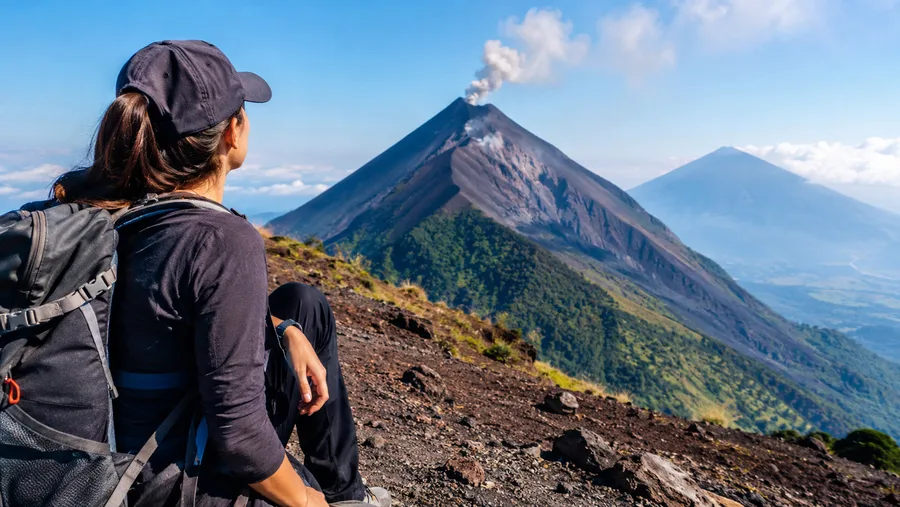
Once people decide to hike Acatenango, another question immediately comes up: should you also hike to Volcán de Fuego? This is known as the Fuego ridge hike, or the saddle trail. You reach Acatenango basecamp around 3:30 pm, dump your heavy packs, eat a quick snack, and those who feel strong pay an extra 200 or 250 quetzales to hike out toward the active crater.
This side trek makes Acatenango feel easy by comparison. You drop down a steep, slippery gully for 300 meters, cross a narrow exposed ridge called El Camellón, and then hike straight back up the flank of an actively detonating mountain. The trail is loose black volcanic sand with zero shelter. Wind whips across the ridge with fierce gusts, throwing fine dust into your eyes and mouth.
You sit on a knife-edge ridge about 200 meters from an active vent while molten rock shoots into the twilight sky. It is hypnotic and terrifying. The catch is the return leg: after watching the fireworks, you must hike back across the saddle and climb back up the 300 meters of scree you descended earlier, in pitch darkness with headlamps. It turns an already tough day into an eight-hour physical trial. If you are questioning your endurance, skip the Fuego ridge and just watch the eruptions from your camp chair on Acatenango with a warm cup of cocoa.
Book your acatenango volcano hike experience:
How Acatenango Compares to Famous Treks Worldwide
Travelers constantly compare Guatemalan hiking to other famous routes across the Americas and Europe. The comparisons are helpful, though sometimes they miss the mark because volcanic soil behaves differently than alpine stone or dirt footpaths.
Take Machu Picchu vs Acatenango, for instance. The classic four-day Inca Trail in Peru reaches Dead Woman's Pass at 4,215 meters, slightly higher than Acatenango summit height. The Inca Trail is a prolonged endurance event spread across 42 kilometers with thousands of historic stone steps. Acatenango is shorter in distance - roughly 14 kilometers round trip - but packs all its vertical gain into a single relentless afternoon. The Inca Trail requires stamina; Acatenango requires raw leg drive and patience with sliding footing.
Then you have hikers who compare Acatenango to places like Huayna Potosí in Bolivia or classic alpine peaks like Germany's Zugspitze. Huayna Potosí is true mountaineering, demanding crampons, ice axes, and a fight against air thin enough to stop seasoned climbers at 6,000 meters. Acatenango is a non-technical trekking peak. You do not need rope skills or ice gear. It is closer in spirit to a very steep, dusty slog up a Colorado fourteen-er, or an extended version of Angels Landing in Utah without the sheer sandstone drop-offs and chain holds.
- Angels Landing (Utah): vastly more exposure and drop-offs, but short and over in three hours; Acatenango has far less sheer vertigo but requires vastly more physical stamina.
- Inca Trail (Peru): much longer total mileage and more comfortable camp logistics, but Acatenango delivers a steeper climb per kilometer.
- Huayna Potosí (Bolivia): technical glacier travel requiring high-altitude mountaineering skills that Acatenango never demands.
- Mount Rinjani (Indonesia): very similar volcanic terrain and steep scree, though Rinjani usually spans three days with a crater lake descent.
Choosing What Fits Your Guatemala Trip
Figuring out which volcano to climb comes down to your fitness, time, and appetite for grit. If you only have three days in Antigua and you have an early flight out of Guatemala City, booking Acatenango will wipe you out. Your calves will be sore for four days, making walking down cobblestone streets an awkward shuffle. Pacaya fits cleanly into a tight itinerary without requiring a complete recovery day afterward.
Weather plays a massive part in this choice too. During the wet season from May to October, afternoon downpours can soak campers on Acatenango, leaving you shivering in wet canvas tents while thick cloud covers Fuego's eruptions completely. Pacaya, because it runs on a short daytime schedule, gives you more flexibility to look at the morning sky and book a tour on three hours' notice.
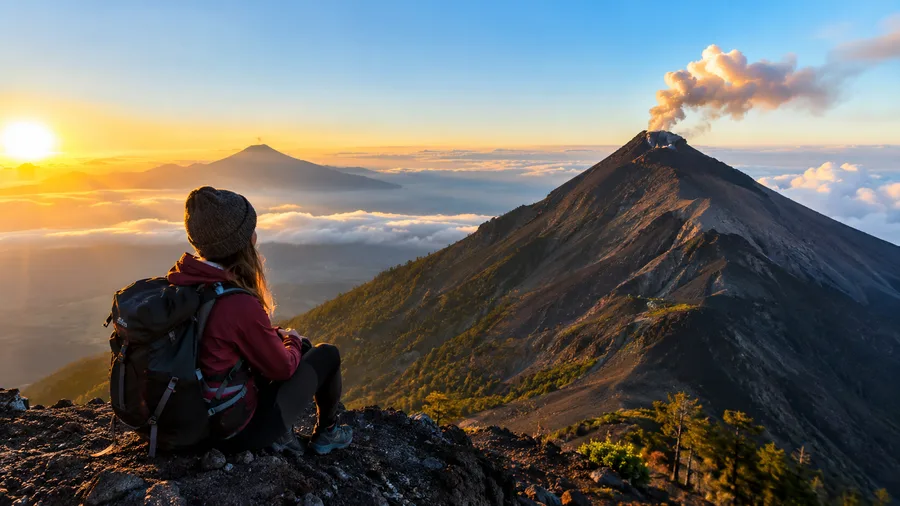
If you have adequate base fitness and two full days to spare, Acatenango is an unforgettable experience. Standing on that ridge at 4:00 am, drinking lukewarm coffee while watching rivers of glowing lava cascade down the black cone of Fuego, makes every single cursed step through the gravel worth it. Just make sure you read up on altitude sickness tips for hiking in Guatemala before heading out, because acclimatizing in Antigua for at least 48 hours is the difference between summit glory and a splitting headache.
- Choose Pacaya if: you have younger kids, limited time, zero cold-weather gear, or simply want an easy afternoon outdoors without aching muscles tomorrow.
- Choose Acatenango if: you want an authentic mountain challenge, possess decent cardio fitness, and want to witness active volcanic explosions up close.
- Add the Fuego Ridge if: you finish the basecamp ascent with plenty of energy left in the tank and your knees can handle an extra four hours of steep scrambling.
Frequently Asked Questions about pacaya vs acatenango
Which one is harder, Pacaya or Acatenango?
Acatenango is much harder. It features nearly four times the elevation gain, reaches roughly 3,976 meters where the air is noticeably thin, and requires an overnight stay in sub-freezing temperatures compared to Pacaya's three-hour casual afternoon walk.
Can a beginner hike Acatenango?
Yes, provided they have reasonable baseline fitness, mental grit, and take their time. Many first-time trekkers complete it every week, but it will be an exhausting, painful climb if you are not accustomed to steep gradients.
Do you see lava on both volcanoes?
Not usually anymore. Pacaya rarely has flowing surface lava rivers right now, so you mainly see steaming vents and dried basalt fields. Acatenango gives you direct, close-up views of glowing molten rock erupting from neighboring Volcán de Fuego.
Is Acatenango worth the effort?
For almost every traveler who makes the climb on a clear day, yes. Watching an erupting volcano light up the night sky against the backdrop of the Guatemalan highlands is widely considered one of the most stunning outdoor sights in Central America.
Quick Reference
- Pacaya: 2,552 m peak, 4-hour roundtrip, very beginner-friendly
- Acatenango: 3,976 m peak, overnight trek, steep volcanic scree
- Elevation gain: Pacaya ~400 m vs Acatenango ~1,600 m
- Lava views: Pacaya has thermal vents; Acatenango overlooks active Fuego eruptions
- Best base: Antigua Guatemala for both trailheads
Book your acatenango volcano hike experience:
The Bottom Line
There is no shame in picking Pacaya if you want a relaxing day out, hot marshmallows, and an easy drive back to Antigua for dinner. But if you have the legs for it, the time to acclimate, and the patience to grind through miles of loose ash, Acatenango sits in a league of its own that few trails anywhere on earth can match.
Read more about acatenango volcano hike.