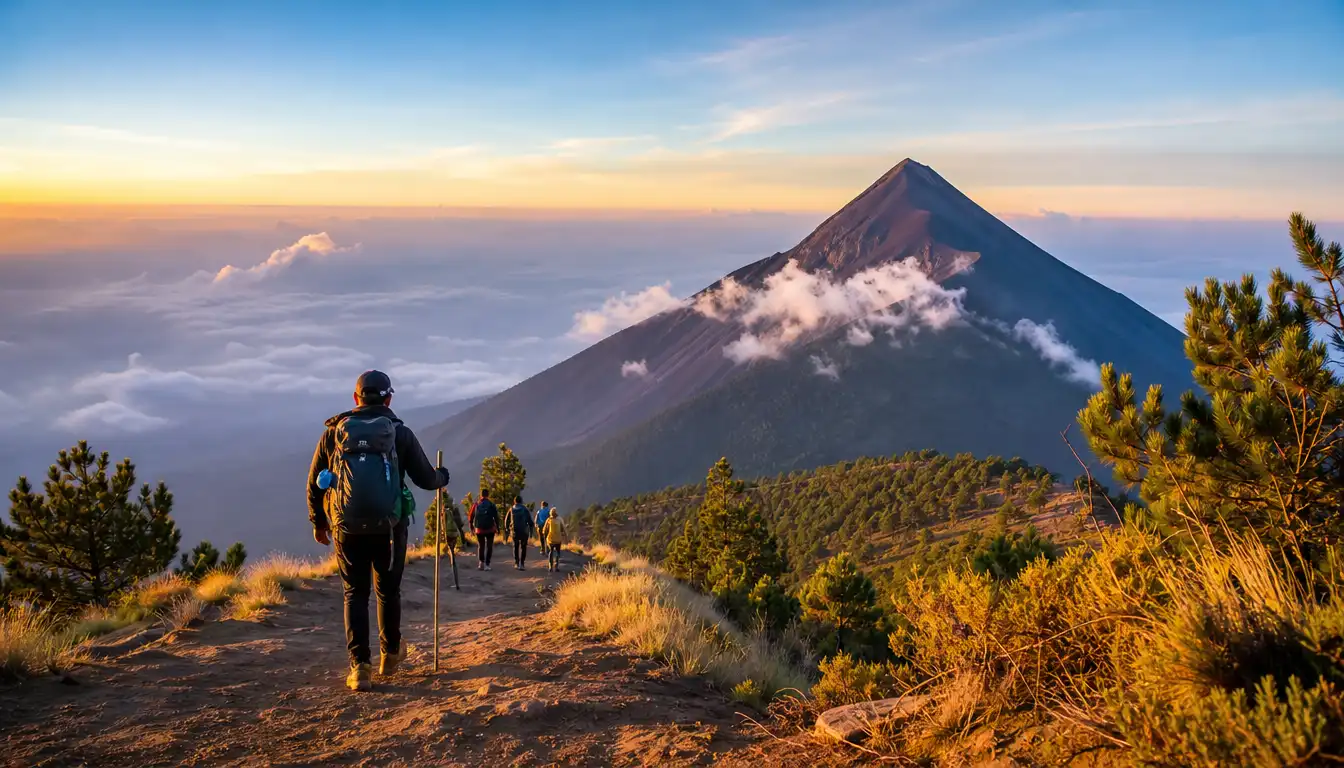
Common Mistakes Tips for Acatenango Volcano Hikers
Walking into the dusty trailhead at La Soledad, the first thing hitting you isn't the majesty of the peaks, but the choking cloud of pulverized dirt kicked up by dozens of boots. If you are searching for common mistakes tips for acatenango volcano hikers, chances are you already know the trek is tough, yet knowing a trail rises 1,600 vertical meters is very different from dragging your own body through loose scree at 3,500 meters above sea level. I spent the first two hours of my first climb questioning every life choice that brought me there, mostly because I made three dumb errors before even leaving Antigua.
Most hikers who suffer on this volcano do not struggle because they lack raw cardiovascular endurance. They suffer because of small, avoidable planning missteps made forty-eight hours before setting foot on the trail. From damp socks to catastrophic water shortages, these are the miscalculations that turn a bucket-list spectacle into thirty-six hours of pure misery, alongside the exact adjustments that keep you warm and smiling when Fuego starts roaring at midnight.
Book your acatenango volcano hike experience:
Gear Blunders and Cold Weather Misjudgments
Antigua sits in a warm, pleasant valley where you stroll around in shorts and a light linen shirt, drinking cold beer in garden courtyards. That tropical comfort creates a dangerous illusion. By the time you reach base camp on the shoulder of Acatenango at 3,750 meters, the temperature regularly drops below zero Celsius, and biting ridge winds make it feel substantially worse. A lot of travelers pack a thin hoodie, rent a questionable windbreaker with broken zippers from an agency bin, and assume a campfire will solve the rest. It will not.
Sweating through your clothes during the brutal initial ascent is where disaster begins. You climb straight up through warm agricultural fields and humid cloud forest for three hours, soaking your shirt. Once you hit the windy subalpine zone, that damp cotton turns icy against your skin within four minutes. Cotton kills comfort on this mountain. Synthetic shirts or merino wool tops move moisture away from your ribs, which keeps your core from dropping into mild hypothermia the second you drop your pack to eat a sandwich.
Pro tip: Pack a clean, bone-dry set of thermal base layers inside a sealed plastic freezer bag at the bottom of your bag, and refuse to touch it until you crawl into your sleeping tent for the evening.
Good gloves make an absurd difference. Hiking poles get freezing cold to hold without insulation, and when your fingers go numb, simple tasks like unbuckling a backpack clip or toggling your camera shutter become frustratingly hard. Bring two pairs: lightweight liners for hiking, and thick insulated mittens or ski gloves for standing around camp watching the lava.
Physical Pacing and Altitude Miscalculations
The first ninety minutes out of La Soledad are notoriously cruel. The trail cuts straight up through loose agricultural loam between corn patches, climbing at an unforgiving pitch with zero switchbacks to soften the blow. Green hikers almost always charge out of the gate at sea-level walking speed, trying to keep pace with twenty-year-old local guides who hike this peak three times a week. Forty minutes later, those same hikers are sitting on tree roots with purple faces, dry heaving into the dirt.
Altitude sickness does not care how many miles you run on a treadmill back home. Antigua sits around 1,500 meters, which is a decent starting point, but jumping straight from sea level to a 3,976-meter summit in thirty-six hours is a massive shock to your circulatory system. Spending two full days resting in Antigua before you hike gives your blood chemistry time to adjust. If you head up the mountain the morning after landing at Guatemala City airport, you are practically begging for a splitting frontal headache and severe nausea.
Take steps half as long as your normal stride. It looks ridiculous, but maintaining a deliberate, rhythmic plod keeps your heart rate well under its redline. You can read up on comprehensive safety altitude tips for Acatenango to recognize when an altitude headache crosses the line into something that demands immediate descent.
| Mistake Category | Rookie Assumption | Mountain Reality | Adjustment to Make |
|---|---|---|---|
| Hydration | 2 liters is enough | Dry air burns fluids fast | Carry 4 to 4.5 liters |
| Sleeping Setup | Cabins are warm inside | Unheated plywood shelters | Rent a -5°C rated sleeping bag |
| First Hour Pace | Walk normal trail speed | Steep scree spikes heart rate | Cut step length in half |
| Summit Clothing | One thick ski jacket works | Ridge winds cut through seams | Use 4 separate technical layers |
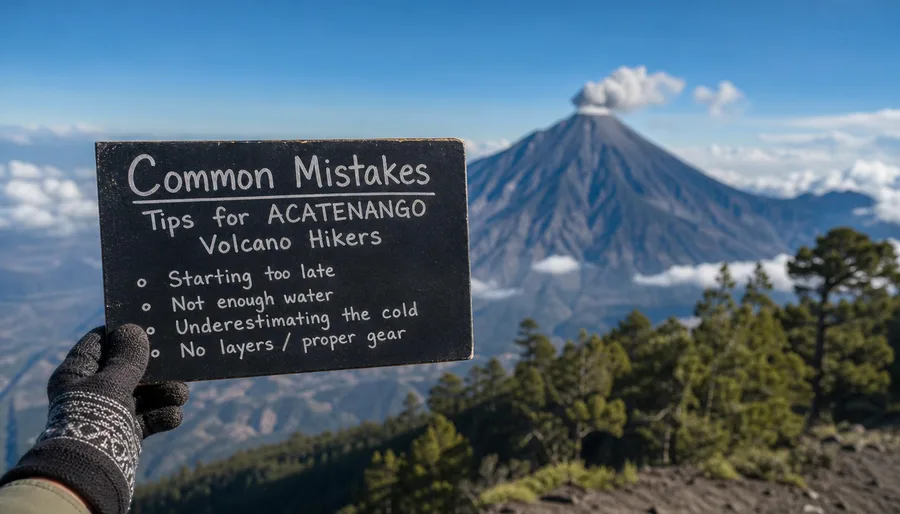
Pack Weight and Porter Regrets
Overpacking is a classic blunder, but underestimating what an extra four kilograms does to your knees on a 30-degree incline is worse. You see people carrying massive SLR camera rigs, three different lenses, multiple heavy portable chargers, jeans, and hardcover books up the trail. Every extra pound feels like lead by hour four. If you are questioning your stamina, hire a local porter at the trailhead. It costs roughly 200 to 250 Quetzales each way, and that cash goes straight into the pockets of families living in the villages flanking the mountain.
Note: If you plan to hire a porter at the morning trailhead, bring crisp paper bills in denominations of 50 or 100 Quetzales, since nobody at La Soledad has change for large amounts or credit card readers.
Trekking poles are non-negotiable, even if you normally pride yourself on hiking without them. Coming down Acatenango is basically controlled sliding through deep, dry volcanic gravel known as chiri. Without poles to brake your momentum, your quadriceps will tremble uncontrollably after an hour, and your knees will ache for three days. You can rent simple wooden walking sticks from local kids at the trailhead parking lot for 10 Quetzales if your agency doesn't supply telescoping poles. Pay the kid, take the stick.
Before stuffing your rucksack, review our breakdown on gear and clothing choices so you know where you can trim dead weight without sacrificing camp warmth.
- Buff or bandana: the dust kicked up by hikers ahead creates an abrasive cloud that coats your throat and causes days of hacking coughing fits without a face covering.
- Headlamp with spare batteries: cheap phone flashlights are useless when scrambling over loose rock at 4:00 AM in freezing gale-force wind.
- Wet wipes: there is no running water anywhere on the upper mountain, and your hands will be caked in charcoal dust and trail grit.
- Ziploc bags for electronics: freezing temperatures drain lithium batteries in minutes, so keep your phone and camera batteries bagged close to your warm torso.
Book your acatenango volcano hike experience:
Food Mistakes That Drain Your Energy
Your body consumes calories at a shocking rate on this trail. Between the sheer vertical grind and shivering through the night, you burn through glycogen stores rapidly. A lot of standard tour agencies provide meager rations: a soggy white-bread ham sandwich for lunch, a packet of instant pasta for dinner, and a small muffin for breakfast. If you depend entirely on company food, you will hit an absolute energy wall before you even reach the tree line.
Bring calorie-dense snacks that do not turn into frozen rocks in sub-zero temperatures. Chocolate bars with caramel get hard as bricks overnight. Salty snacks are far more appealing than sweet energy gels when you are dehydrated and gasping for breath on steep switchbacks.
- Pre-cooked boiled eggs: peel them beforehand for zero-fuss protein during short five-minute water breaks.
- Roasted salted nuts: heavy on fats, light in pack volume, and they replenish sodium lost through sweat.
- Electrolyte powder: plain tap water from Antigua gets boring, and basic electrolyte tablets help your cells absorb fluids faster at high altitude.
- High-caffeine dark chocolate: gives you a quiet psychological boost when you wake up in the freezing dark for the final push.
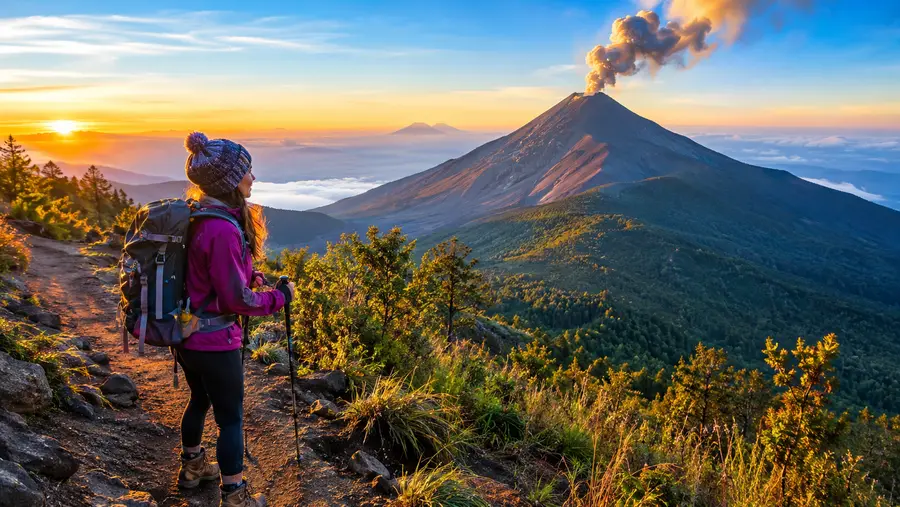
The Fuego Ridge Extension and Summit Pitfalls
When you reach base camp around 3:30 in the afternoon, guides will usually ask who wants to pay extra (usually 200 to 250 Quetzales) to hike over to the active ridge of Volcán de Fuego. This is known as the Fuego extension. It is one of the most astonishing volcano experiences on earth, putting you within a few hundred meters of exploding molten rock, but taking it on without assessing your physical reserves is a severe mistake.
The Fuego hike drops roughly 300 meters down into an exposed saddle, climbs up to the active knife-edge ridge, and then forces you to hike all that elevation back up to Acatenango camp in pitch darkness. It adds four brutal hours of trekking to an already exhausting day. Every week, hikers exhaust themselves so thoroughly on that ridge that they cannot wake up at 4:15 AM for the final summit push up Acatenango to catch the sunrise. Be honest with yourself about your remaining energy before signing up for that extra loop.
Reaching the actual summit of Acatenango for sunrise is a distinct mental battle. It is steep, windy, and freezing. The gravel slips backward one foot for every two feet forward. Hikers often get frustrated and quit just two hundred meters below the crater rim because the false peaks keep playing tricks on their tired brains. Put your head down, focus solely on the pool of light from your headlamp, and take thirty slow steps before resting. The view from the top makes you forget every ounce of that struggle the moment the sun breaks over the cloud line.
Frequently Asked Questions about common mistakes tips for acatenango volcano hikers
How much water should I actually carry on the hike?
Carry 4 to 4.5 liters minimum per person. Most tour operators require you to donate 1 liter of that water to the camp cooks for dinner and morning coffee, leaving you with barely 3 liters for climbing, the Fuego trek, and the dusty descent.
Can I do the hike in regular running sneakers?
People do it, but you will slip constantly and fill your shoes with sharp volcanic gravel. Sturdy hiking boots or trail running shoes with deep, aggressive lugs provide the traction needed to keep your ankles secure on loose scree.
Are there bathroom facilities along the Acatenango trail?
There are rustic drop toilets near the park entrance gate and basic pit latrines at some private base camps, but nothing in between. Carry a small sealable plastic bag with toilet paper and hand sanitizer in your daypack.
Is altitude medication like Diamox necessary for this trek?
Many hikers complete the climb without medication by pacing themselves and acclimatizing in Antigua for forty-eight hours first. If you are prone to altitude headaches, talk to a doctor beforehand about packing acetazolamide as a preventive measure.
Quick Reference
- Elevation gain: roughly 1,600 vertical meters
- Summit altitude: 3,976 meters above sea level
- Water requirement: 4 to 4.5 liters per hiker
- Average climb time: 5 to 7 hours to base camp
- Night temperatures: frequently drops between -2°C and 3°C
Book your acatenango volcano hike experience:
Before You Go
Respect the mountain, pack real layers, and do not let your ego set your walking pace out of La Soledad. Acatenango gives you one of the most raw, theatrical encounters with active geology anywhere on the planet, but it demands decent preparation. Pick a reputable guide company, drink twice as much water as you think you need, and you will enjoy the explosive fireworks of Fuego rather than shivering inside your tent waiting for the nightmare to end.
Read more about acatenango volcano hike.